IDX information is provided exclusively for personal, non-commercial use, and may not be used for any purpose other than to identify prospective properties consumers may be interested in purchasing. Information is deemed reliable but not guaranteed.
Sweet Onion Capital
Welcome to Glennville, the largest city in Georgia's Tattnall County and the heart of Vidalia sweet onion country, about 50 miles west of Savannah.
Glennville sits in the coastal plain of southeastern Georgia, in Tattnall County, about fifty miles west of Savannah. It is the largest city in the county and functions as its commercial and residential center. The area is surrounded by farmland and forest, with the Altamaha River about ten miles to the southwest and Beards Creek forming the boundary with Long County to the east, just beyond which lies the edge of the vast Fort Stewart military installation. The city's identity is rooted in one crop above all: the Vidalia sweet onion. Tattnall County grows more Vidalia sweet onions than any other official growing county, producing roughly half of Georgia's entire crop each year, and Glennville celebrates that heritage with the annual Glennville Sweet Onion Festival. The event, now running for decades, draws thousands of visitors to town and has made the onion a defining symbol of the community and its economy. Glennville also carries a sense of history. The Glennwanis Hotel, built in 1926 in the downtown, is listed on the National Register of Historic Places, and the community's older school buildings reflect a long civic investment in education. Southeastern Technical College maintains a presence in the city, extending the local education landscape beyond the public K–12 system. As a small city with strong agricultural roots and a position near both Savannah and Fort Stewart, Glennville offers an affordable, community-centered way of life. U.S. Route 301, which runs through the center of town and connects north to Interstate 16, keeps the city tied to the wider coastal Georgia region while preserving its distinctly rural, small-town character.
Glennville is in Tattnall County, Georgia, in the southeastern coastal plain of the state. It is the largest city in the county and lies about 50 miles west of Savannah, near Fort Stewart.
Glennville is known as the heart of Vidalia sweet onion country. Tattnall County grows about half of Georgia's annual Vidalia onion crop, and the city marks the harvest each year with the Glennville Sweet Onion Festival.
Glennville is served by the Tattnall County School District, which operates elementary, middle, and high schools for students across the county. Southeastern Technical College also maintains a presence in the city.
Glennville is about 50 miles west of Savannah, Georgia. U.S. Route 301 runs through the center of town and connects north to Interstate 16, which is the most direct highway route from Glennville to the Savannah area.
U.S. Route 301 is the main highway through Glennville, joined by U.S. Route 25 and state routes near the city center. The route links Glennville to nearby communities such as Claxton and Statesboro and northward to Interstate 16.
City Guide
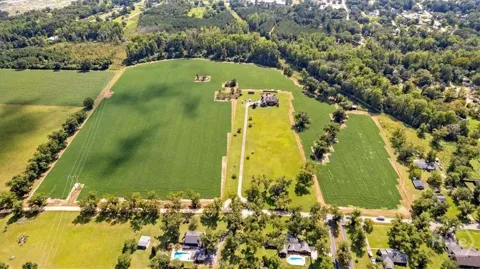
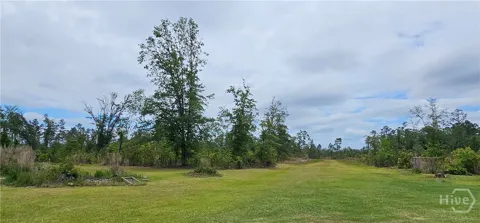
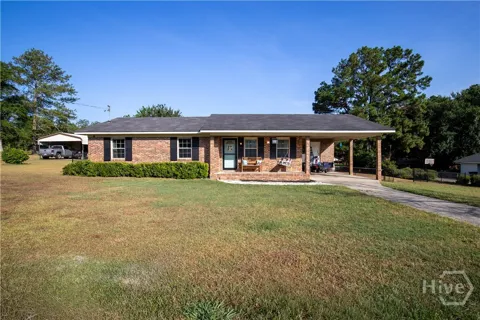
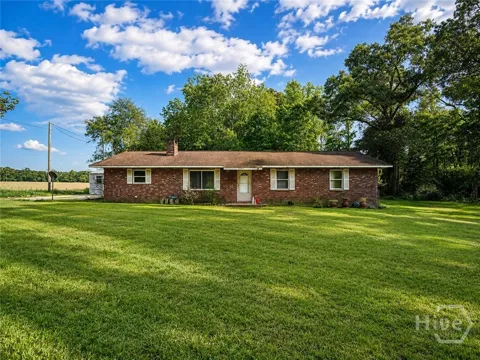
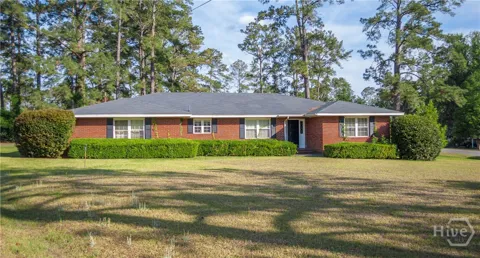
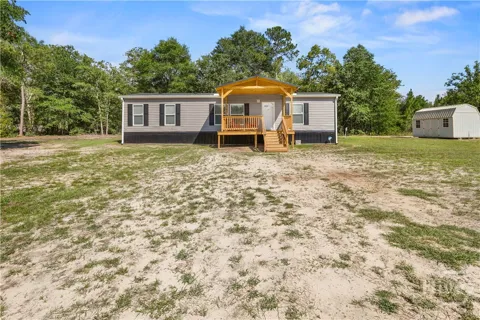
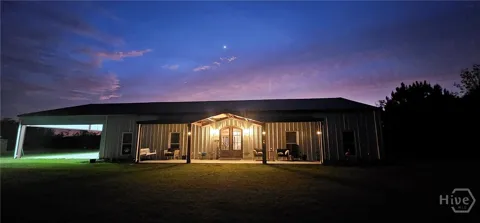
Glennville's housing reflects its small-town, agricultural character. Modest single-family homes line the tree-shaded streets near the center of town, with older, character-filled houses in the downtown blocks around the historic Glennwanis Hotel. Larger lots, farmland, and rural acreage surround the city, giving buyers the option of country living within minutes of town services. The market is overwhelmingly owner-occupied and oriented toward detached single-family homes rather than multifamily development. As the largest city in a rural county, Glennville serves as the area's commercial and residential anchor, offering an affordable, unhurried housing market within reach of Savannah and the Fort Stewart area.
Glennville is organized around a traditional downtown and the surrounding residential streets of a county-seat-scale town. The downtown, where the 1926 Glennwanis Hotel and local storefronts stand, forms the historic core and commercial heart. Residential blocks radiate outward in a grid of modest, established homes, while the edges of the city give way quickly to the farms and timberland of Tattnall County. The Altamaha River lies about ten miles to the southwest, and Beards Creek marks the county line to the east, just beyond which sits Fort Stewart. This layout gives Glennville a compact, walkable center surrounded by the working landscape that defines the region.
Life in Glennville is shaped by agriculture and the steady rhythm of a southeastern Georgia small town. The Vidalia sweet onion harvest is the community's defining season, culminating each year in the Glennville Sweet Onion Festival, which draws thousands of visitors to town. Beyond the festival, the surrounding farmland and forest, the nearby Altamaha River, and the presence of Fort Stewart just to the east give the area a grounded, working character. Residents gather around churches, schools, and the downtown businesses, while Savannah, roughly 50 miles away, provides access to a larger city's amenities. For those drawn to farm country with a strong sense of community identity, Glennville offers an authentic South Georgia setting.
Glennville is served by the Tattnall County School District, which operates elementary, middle, and high schools for students across the county, including Glennville Elementary School and Glennville Middle School within the city. Southeastern Technical College, part of Georgia's technical college system, maintains a presence in Glennville, providing postsecondary and workforce education locally. The district's schools serve as community anchors in a rural county, and the presence of the technical college extends educational opportunity beyond the K–12 years. Families in Glennville benefit from a small, locally focused public school system with access to additional options in the broader region.
U.S. Route 301 is Glennville's principal transportation corridor, running north-south through the center of town and connecting the community to Interstate 16, the most direct route to Savannah. U.S. Route 25 and state routes such as SR 23 and SR 57 also converge in the area, linking Glennville to neighboring communities including Claxton, Statesboro, Hinesville, and the Fort Stewart area. This network of highways makes Glennville a convenient crossroads within southeastern Georgia, while the roughly 50-mile drive to Savannah keeps the city connected to a major regional center and its airport.
The Glennville Sweet Onion Festival is the centerpiece of the city's recreational and cultural calendar, celebrating the harvest that defines the region with food, music, and community events each year. The Glennville Recreation Park offers roughly 62 acres of open space for sports and outdoor activity. The Altamaha River, about ten miles away, provides fishing, boating, and access to one of Georgia's major river systems, while the surrounding farmland and forest support hunting and rural recreation. Savannah's beaches, historic district, and attractions lie within about an hour's drive, giving residents a nearby gateway to larger regional recreation.
MARKET SNAPSHOT
How homes have been selling here over the last 90 days.
Market data reflects closed sales over the last 90 days and is provided for informational purposes.
BROWSE BY ZIP
Browse listings by postal code in this area.